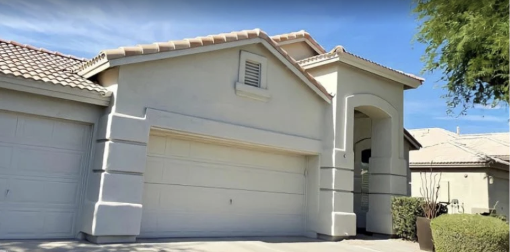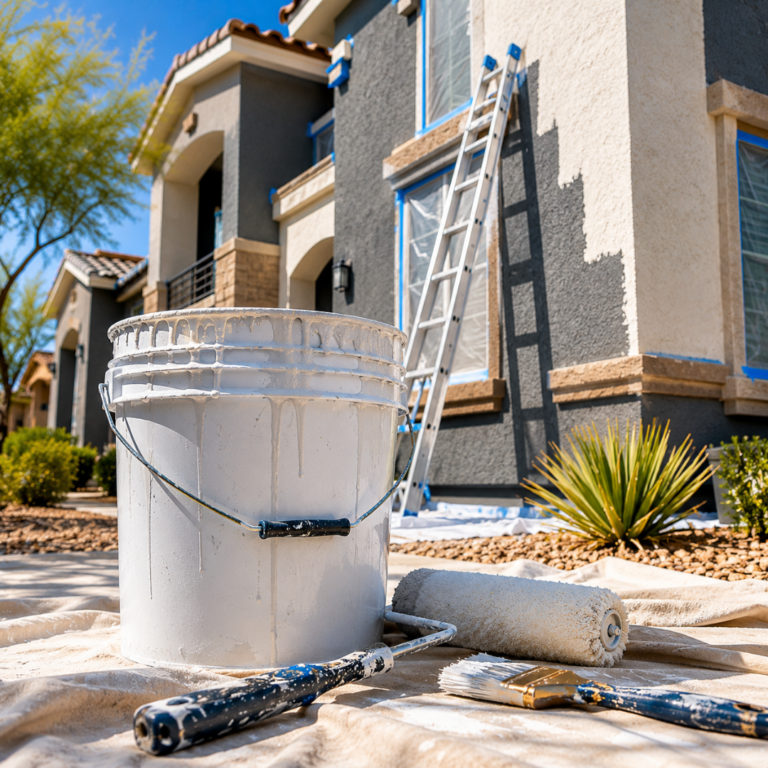
Seeing paint bubble, blister, or peel away from your walls can be frustrating, especially after a recent project. Professional painters know that bubbling often points to conditions beneath the surface rather than a simple cosmetic problem. With exterior painting, proper preparation and timing are especially important because Arizona homes face intense heat and sunlight. Changing temperatures, moisture, dust, and other elements constantly expose your home exterior. While experienced painting companies can correct the damage, understanding why it happens can help prevent the problem from returning.
Why Does Paint Bubble on a Home Exterior?
Exterior paint bubbles when the coating loses its bond with the surface underneath. Small pockets can form between the coating and the wall, creating raised areas or blisters.
Sometimes, these bubbles remain small. In other cases, they eventually crack and peel.
For Peoria homeowners, extreme temperatures can make this problem more noticeable. Arizona’s intense sun heats exterior walls quickly, particularly during the warmer months.
However, heat is only one possible cause.
Moisture Can Get Trapped Under Paint
Moisture is one of the most common reasons exterior coatings develop bubbles.
Water can enter through small cracks, damaged caulking, roof leaks, or areas around windows and doors. Once moisture gets behind the coating, it may become trapped.
As the Arizona sun heats the wall, that moisture can turn into vapor. Pressure then develops beneath the surface.
Eventually, the coating can lift away from the wall.
This issue may appear after monsoon storms around Peoria, Glendale, Surprise, and other nearby communities. Wind-driven rain can reach areas that normally stay dry.
Simply covering these bubbles with another coat usually does not solve the underlying problem.
Painting a Surface That Is Too Hot
Arizona temperatures create unique challenges for exterior projects.
A wall exposed to direct sunlight can become much hotter than the surrounding air. Applying paint to an extremely hot surface may cause it to dry too quickly.
The outside layer can begin forming before the coating underneath has properly bonded.
As a result, bubbles or uneven areas may develop.
Experienced painters often plan their work around sun exposure. For example, they may work on shaded sections before moving to other areas later.
Proper timing can make a major difference in the finished surface.
Poor Surface Preparation
A quality finish starts before the first coat is applied.
Exterior walls naturally collect dirt, chalky residue, dust, grease, and loose material. If those contaminants remain, the new coating may not properly attach.
Loose or peeling areas should also be addressed beforehand.
Depending on the surface, preparation may include washing, scraping, sanding, patching, caulking, or priming. Different materials require different approaches.
Stucco, wood, siding, and masonry do not behave exactly the same.
Skipping preparation may save time initially. However, problems often become visible later.
Applying Paint Over a Damp Surface
A wall does not need to look wet to contain moisture.
For example, a surface may still be damp after washing or rainfall. Morning moisture can also remain in shaded areas longer than expected.
If paint is applied before the surface dries, moisture can become trapped underneath.
This creates conditions for bubbling and adhesion problems.
Professional painting companies typically consider weather conditions before beginning exterior work. Temperature, moisture, wind, and direct sunlight can all affect the application.
In Arizona, choosing the right time matters just as much as choosing the right product.
Using the Wrong Product for the Surface
Not every exterior coating works well on every material.
A product designed for one surface may struggle to bond with another. Likewise, certain existing coatings may require a compatible primer before another product is applied.
Older homes can present additional challenges.
Previous layers may have different properties from modern coatings. Applying something incompatible over them can lead to separation.
A professional evaluation can help determine what products are already present.
The correct primer and finish can then be selected for the home exterior.
Arizona Heat and UV Exposure
Peoria receives intense sunlight throughout much of the year.
Over time, ultraviolet exposure can weaken exterior coatings. Constant heating and cooling also cause building materials to expand and contract.
That movement places stress on the coating.
South- and west-facing walls often receive particularly strong afternoon sunlight. These areas may show deterioration sooner than more protected sections.
Quality exterior painting products are designed to withstand outdoor exposure. Still, no coating lasts forever under Arizona conditions.
Regular inspections can help catch small problems before they spread.
Should You Pop or Scrape Paint Bubbles?
It may be tempting to scrape a bubble and cover the area immediately.
However, the cause should be identified first.
If moisture remains behind the surface, applying another coat can trap it again. The repaired area may eventually bubble just like before.
Instead, damaged material should be removed carefully. The exposed surface can then be inspected for moisture, contamination, cracks, or other problems.
Once the cause has been corrected, proper preparation can begin.
This approach creates a more durable repair.
When Does Bubbling Mean You Need Repainting?
A few isolated bubbles do not always mean the entire house needs repainting.
Localized damage may only require repairs to the affected section. Widespread bubbling, peeling, fading, or cracking can indicate a larger coating failure.
Age should also be considered.
If several exterior areas are beginning to deteriorate together, a full repaint may provide a more consistent result.
Professional painters can evaluate the condition of different walls and identify areas needing attention.
This can help homeowners avoid unnecessary work while still protecting the property.
Preventing Paint Bubbles in Peoria, Arizona
Preventing bubbling starts with preparation, suitable products, and proper application conditions.
Exterior surfaces should be clean and dry before work begins. Cracks, damaged caulking, and moisture entry points should also be addressed.
Weather conditions matter as well.
Avoiding extremely hot surfaces can improve adhesion and help coatings cure properly. Choosing products designed for Arizona’s climate provides another layer of protection.
For homeowners throughout Peoria and surrounding communities, regular exterior inspections are worthwhile.
Small cracks or peeling areas can often be corrected before they become larger problems.
Protect Your Home Exterior With Proper Paint Preparation
Bubbling paint is more than an appearance issue. It can indicate moisture, poor adhesion, excessive surface temperatures, or improper preparation.
Finding the actual cause is important before repainting the damaged area.
At Elite Custom Painting & Cabinet Refinishing, we understand the challenges Arizona homes face from heat, sunlight, monsoon moisture, and everyday exposure.
Whether you need a small exterior repair or a complete repaint, proper preparation can help create a cleaner and longer-lasting finish.
If bubbles, peeling, or other coating problems are appearing around your Peoria home, consider having the surface inspected before the damage spreads.